Pollen Analysis
 |
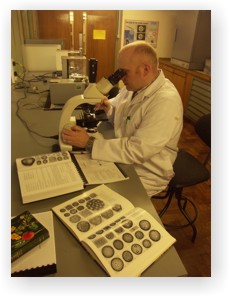 |
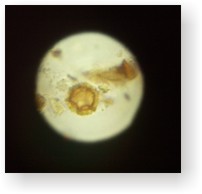
Palynology or 'pollen analysis' is a robust technique for reconstructing former vegetation composition and different types of human land use (e.g. grazing, agriculture, woodland management) by using microfossils (pollen grains and spores) that have been preserved in sediments. By identifying the pollen grains and spores in the sediment, a picture of former vegetation composition and environmental conditions can be reconstructed. The range and type of past vegetation can give insight into past climate conditions and the impact of human activities on vegetation and landscape.
At ARS Ltd we have considerable experience of pollen analysis and combining this information with archaeological data to provide a more thorough understanding of the past and answer questions that could not be tackled by the archaeological data alone.
For further details please contact one of our Senior Archaeologists using this link.